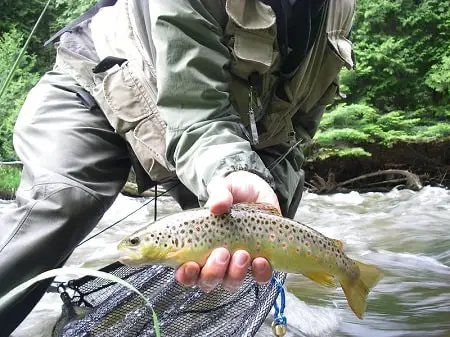
In the Pacific Northwest, the eulachon smelt, known scientifically as Thaleichthys pacificus, plays a crucial role in the ecological and cultural landscape. These slender fish, typically reaching lengths of 6 to 9 inches, have seen their populations decline significantly, leading to their classification as federally threatened under the Endangered Species Act in 2010. Factors contributing to their decreased numbers include changing ocean conditions; however, the situation has shown signs of improvement in recent years.
"Improved ocean conditions have helped boost their numbers," said a representative from the Oregon Department of Fish and Wildlife (ODFW). Nevertheless, the specter of poor ocean conditions remains, causing concern for the sustainability of the species in the future.
"Improved ocean conditions have helped boost their numbers,"

In March 2023, the ODFW, alongside the Washington Department of Fish and Wildlife, implemented the Washington and Oregon Eulachon Management Plan, a structured approach aimed at managing smelt fisheries both commercially and recreationally. This partnership reflects a commitment to the conservation of eulachon while also considering fishing opportunities.
Eulachon smelt are anadromous, meaning they typically spend their lives in the ocean but return to freshwater rivers, like the Columbia River, to spawn. The adult fish migrate upstream during spawning runs, where they lay their eggs over various riverbed substrates, including gravel and sand. "Most adult eulachon die shortly after spawning," noted ODFW, emphasizing the natural cycle of life and death that occurs during this time.

"Most adult eulachon die shortly after spawning,"
By the Numbers
By the Numbers

By the Numbers
After hatching, juvenile smelt are carried downstream by river currents back to the ocean. The presence of large numbers of deceased smelt along riverbanks is common following a spawning run. While this occurrence may seem alarming, it plays a natural role in the lifecycle of the fish. However, it is important to stress that it remains illegal to collect these dead fish for bait.
Given the eulachon’s threatened status, fishing for them was heavily restricted when they were first listed. Harvest opportunities in the Columbia River were halted for several years, while fishery management strategies were devised by both states in conjunction with National Marine Fisheries Service (NMFS). "Limited, conservation-minded commercial and recreational smelt fisheries resumed in 2014," stated the ODFW, marking a cautious reopening of avenues for local anglers to engage with this fish species.
"Limited, conservation-minded commercial and recreational smelt fisheries resumed in 2014,"
Fishing for eulachon smelt is particularly popular during runs in the Sandy River, where the traditional practice of dip netting has been celebrated for generations. This method of fishing is not only effective but immerses participants in a rich cultural heritage, as Native American tribes have harvested eulachon for centuries. "Dip netting for smelt is a hands-on activity that can be fun for families," remarked a local angler, highlighting the accessible nature of this fishing experience.
"Dip netting for smelt is a hands-on activity that can be fun for families,"
While the timing and consistency of smelt runs can be unpredictable, interested anglers can stay abreast of potential fishing opportunities through ODFW. Updates about smelt runs and fisheries are disseminated via email, allowing enthusiasts to plan their outings around possible openings.
Anglers are encouraged to be prepared when a fishery is announced. Each participant needs a valid Oregon angling license, and ODFW recommends bringing essential gear such as dip nets, waders, and containers to store the catch. Additionally, a scale is important for monitoring legal limit adherence to support ongoing conservation efforts. Safety is also a priority, especially for children, as life jackets are advised.
As stewards of the resource, anglers play a significant role in supporting the recovery of eulachon populations. "Careful management and limited harvest are essential to support population recovery and long-term growth," ODFW representatives reiterated, underscoring the importance of abiding by rules and limits during fisheries.
"Careful management and limited harvest are essential to support population recovery and long-term growth,"
Looking Ahead
Looking Ahead
The path forward for the eulachon smelt remains intertwined with ongoing monitoring and management efforts, and the upcoming fishing seasons present unique opportunities for both recreation and engagement with local environmental stewardship. Anglers and enthusiasts alike will need to stay informed about regulations and conservation initiatives to protect the future of this culturally significant species.
