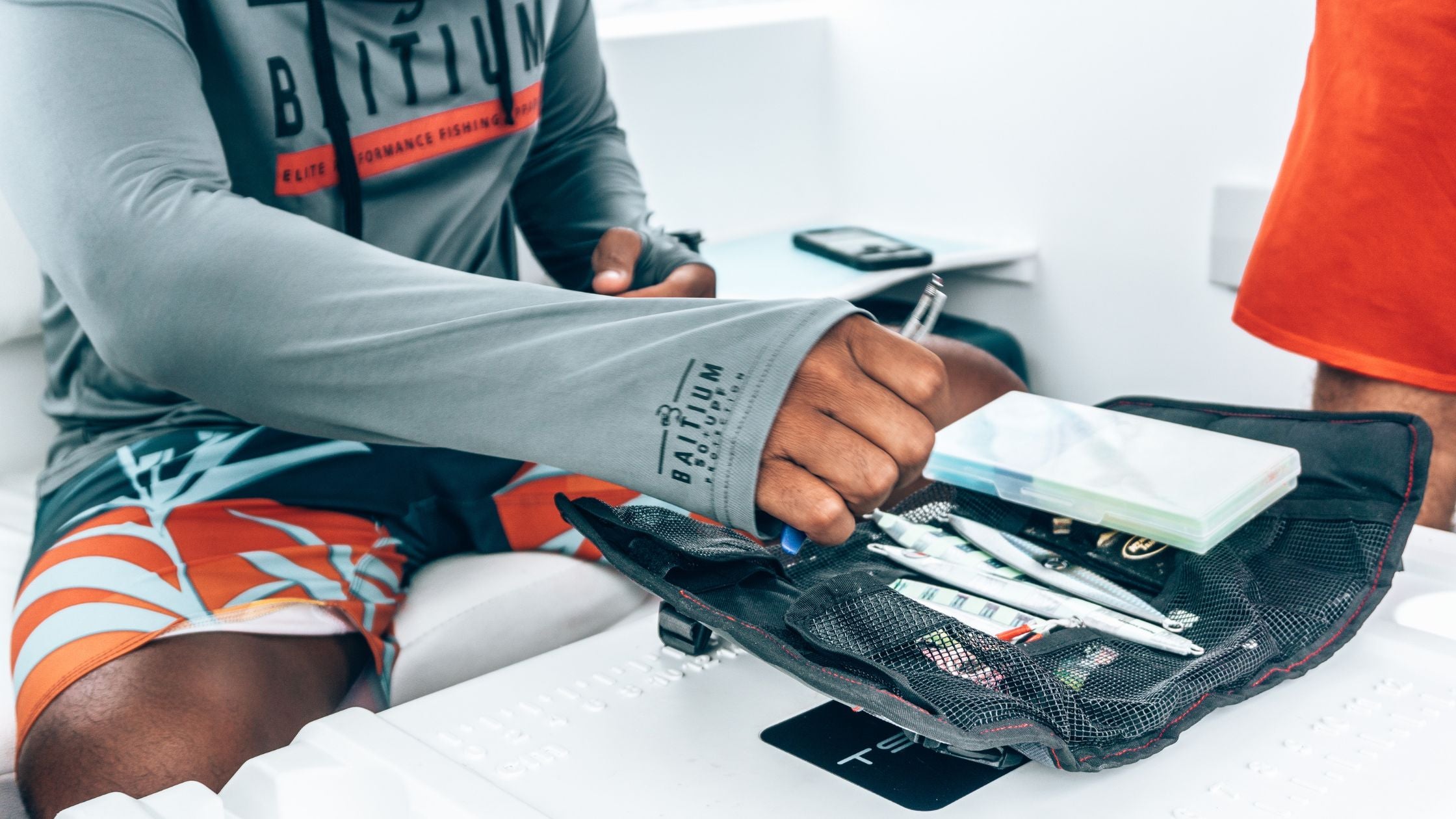
As fishing season continues across the country, anglers are increasingly turning to lure fishing as a more engaging alternative to traditional bait fishing methods. Unlike passive baiting techniques that rely on fish randomly encountering stationary offerings, lure fishing demands active participation from anglers who must create enticing presentations to trigger strikes from predatory species.
The growing popularity of lure fishing stems from its dynamic nature, which transforms the angling experience from a waiting game into an interactive performance. Anglers using this approach must constantly adapt their techniques, speeds, and presentations to match the behavior of natural prey and the preferences of their target species.
"[Lures](/gear/fishing-lure) come in a dazzling array of shapes, sizes, and colors," explained Fisher Mel, an experienced angler who has mastered various lure fishing techniques. These artificial offerings are specifically designed to mimic the natural prey that fish encounter in their environment, including frogs, baitfish, and crayfish. The key to success lies not just in lure selection, but in understanding how to present these artificial baits effectively in both freshwater and saltwater environments.

"Lures come in a dazzling array of shapes, sizes, and colors,"

Three primary techniques have emerged as the foundation of successful lure fishing: cast and retrieve, jigging, and trolling. Each method offers unique advantages and can be adapted to different fishing conditions and target species.
The cast and retrieve method represents perhaps the most accessible entry point for anglers new to lure fishing. This straightforward yet effective technique involves casting the lure toward promising fishing spots, allowing it to reach the appropriate depth, and then retrieving it in a manner that simulates injured or fleeing prey.
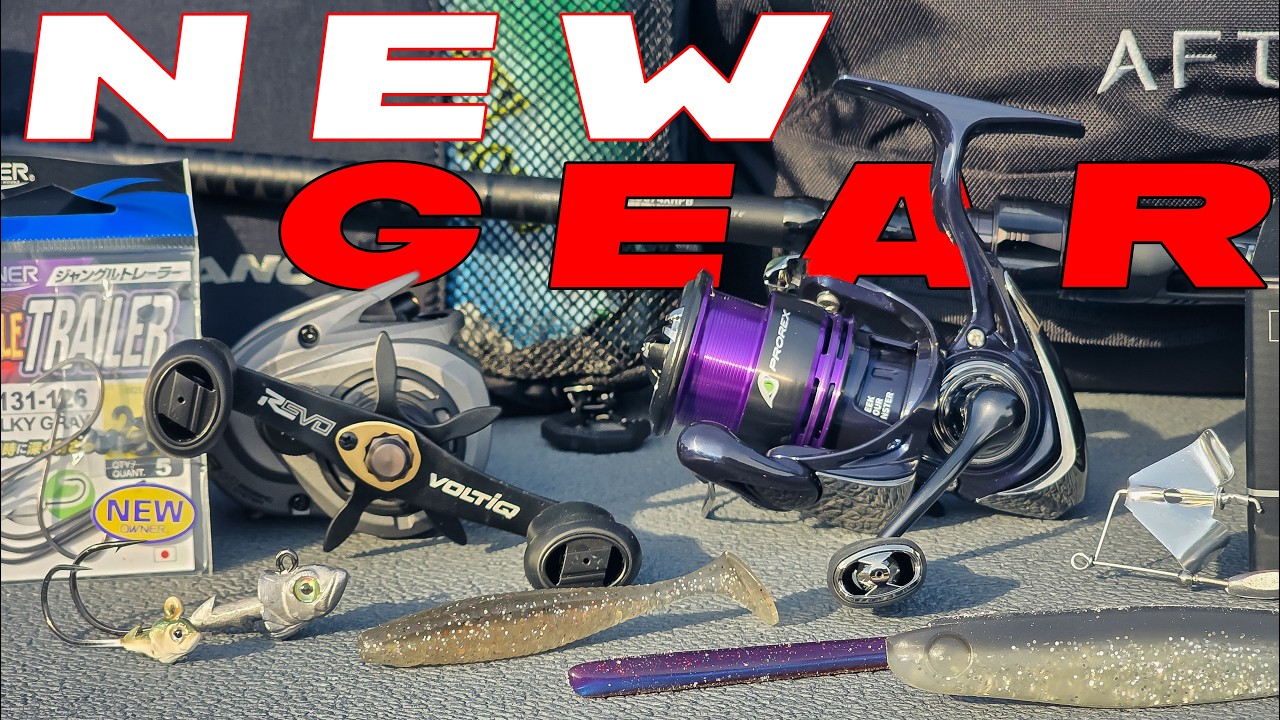
Casting accuracy forms the cornerstone of this technique's success. "Proper casting form and technique takes time to develop," Mel advised, emphasizing the importance of targeting specific structures, cover, drop-offs, or flats where fish are most likely to congregate. Once the lure reaches the targeted depth, the retrieve phase begins, and this is where angler skill truly makes the difference.
"Proper casting form and technique takes time to develop,"
Variability in retrieve speed and action proves crucial for triggering strikes. Faster reeling speeds tend to keep lures higher in the water column, making them visible to fish in shallow areas or those suspended in mid-water. Conversely, slower retrieve speeds allow lures to dive deeper, reaching fish holding in lower water columns or near bottom structures.
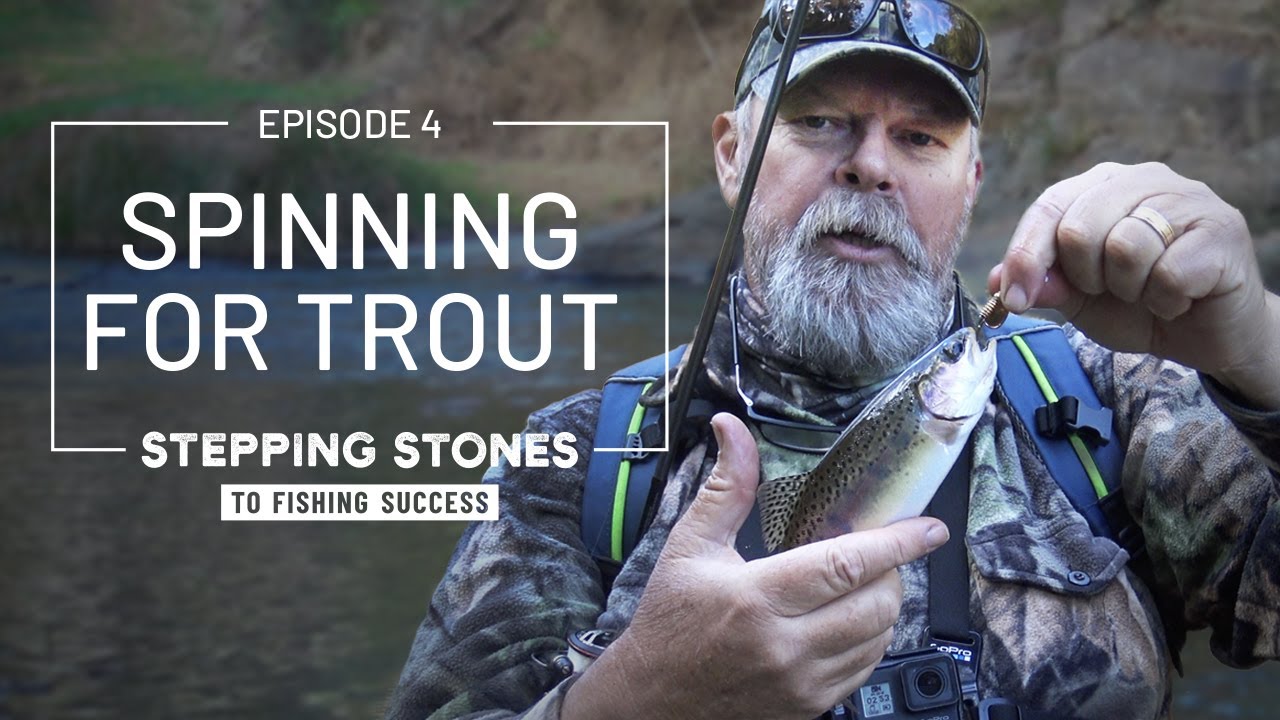

"The retrieve component is where variations come into play for putting on a performance that triggers those primal predator instincts in fish," Mel emphasized. Successful anglers experiment with different speeds, pauses, and erratic actions to find the combination that proves most effective for current conditions.
"The retrieve component is where variations come into play for putting on a performance that triggers those primal predator instincts in fish,"
Jigging represents a more specialized technique that injects pronounced vertical action into lure presentation. This method proves particularly effective in deeper waters where fish hold near bottom structures or in specific depth zones. The technique involves lifting and lowering the fishing rod to create enticing up-and-down movements that can attract fish from considerable distances.
"Jigging requires a different rhythm than the cast and retrieve method," Mel explained. "The action of the jig should mimic the erratic movements of prey trying to escape." The technique begins by lowering the lure to the desired depth, followed by a series of short, quick jerks of the rod tip. These sharp movements are punctuated by strategic pauses that allow the lure to flutter back down into the strike zone, often triggering fish to attack during these vulnerable moments.
"Jigging requires a different rhythm than the cast and retrieve method,"
Trolling rounds out the trio of essential lure fishing techniques, offering anglers the ability to cover vast water areas efficiently while maintaining consistent lure action. This method typically requires boat access, though shore-based trolling remains possible in certain situations such as large reservoirs or coastal areas.
"This technique allows you to vary your speed and depth, which is key to attracting different species of fish," Mel noted. The trolling process begins with careful lure selection based on target species and water conditions. Multiple lines can be deployed at varying depths, creating a spread of lures that swim at different levels throughout the water column.
"This technique allows you to vary your speed and depth, which is key to attracting different species of fish,"
The beauty of trolling lies in its adaptability. By adjusting boat speed and lure selection, anglers can appeal to a broader range of fish species during a single outing. "By adjusting your speed and the type of lure you use, you can appeal to a wider range of fish," Mel added, highlighting the technique's versatility.
"By adjusting your speed and the type of lure you use, you can appeal to a wider range of fish,"
Current Season
As the current fishing season progresses, anglers are discovering that mastering these three fundamental techniques significantly enhances their success rates. Each method offers unique benefits and can be tailored to mimic local prey species effectively, whether fishing in shallow flats, deep water structures, or open water environments.
"Mastering these techniques is essential for lure fishing success," Mel concluded. The ongoing refinement of these skills, combined with experimentation and adaptation to local conditions, continues to drive the growing popularity of lure fishing among both novice and experienced anglers seeking more active and engaging fishing experiences.
"Mastering these techniques is essential for lure fishing success,"