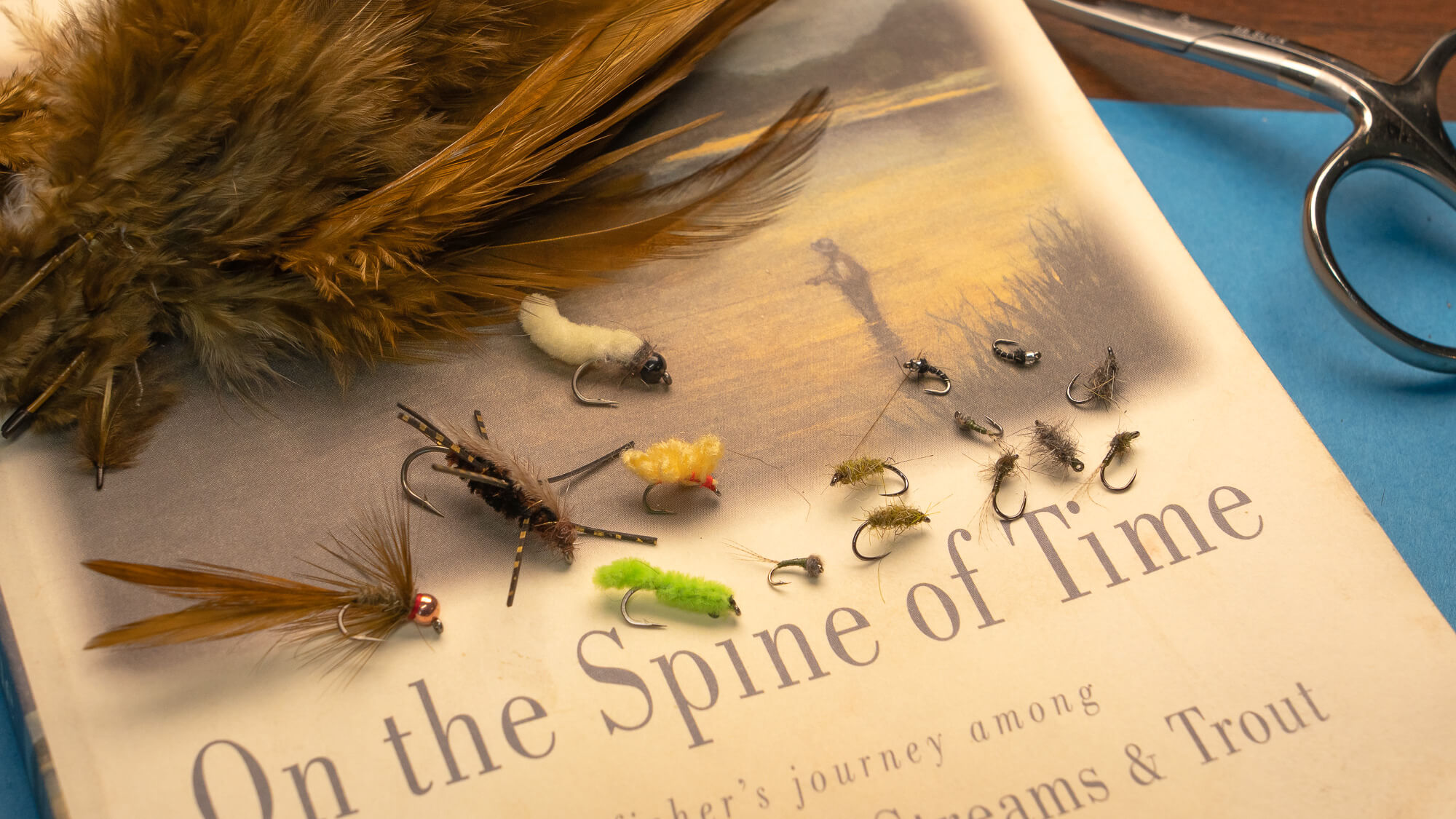
As fishing techniques continue to evolve, a growing number of anglers are turning to sophisticated multi-fly rigs to outsmart increasingly selective trout. Among the various approaches gaining popularity—including dry-dropper setups, double streamers, and combinations of nymphs and dries—one method is capturing particular attention from seasoned fishermen: the Bait and Switch technique.
This strategic approach addresses a fundamental challenge that has long frustrated trout anglers. While rivers teem with natural food sources like mayflies, caddisflies, and stoneflies, experienced fishermen know that even in the most fertile waters, trout allow the majority of insects to drift past untouched. The selectivity becomes even more pronounced during active hatches, where observers can witness far more insects escaping rising fish than falling prey to them.
"Many of our best trout rivers are loaded with mayflies, caddisflies, stoneflies, midges, and small crustaceans. But in even the most infertile streams, trout let the majority of bugs pass in the drift," explained one seasoned fisherman who has extensively tested the technique.


This selective behavior creates a paradox for anglers. While a tiny #20 fur nymph, Pheasant Tail, or RS2 may perfectly mimic a trout's primary food source, these small, non-descript flies often fail to command attention in the underwater buffet. The challenge becomes making these natural imitations stand out among the countless real insects drifting downstream.
The Bait and Switch method offers an elegant solution by employing a two-fly system that plays on trout psychology. As one passionate advocate of the technique explained, "The concept is simple. Use a large or bold fly to grab the trout's attention, and then seal the deal with something natural."
The technique centers on pairing a distinctive "trigger" fly with a more understated secondary fly. The trigger serves as an attention-getter—large enough to catch the eye or vibrant enough to be unmistakable as it drifts through the water column. The secondary fly, positioned as a trailer, presents a more natural and agreeable option that capitalizes on the feeding instinct activated by the initial trigger.
"Grab their attention and trigger the trout's feeding instinct with a bigger or bolder fly—one that they might eat just as well—but trail that bait with something natural and easy to agree upon," the expert advised.
"Grab their attention and trigger the trout's feeding instinct with a bigger or bolder fly—one that they might eat just as well—but trail that bait with something natural and easy to agree upon,"
The rigging system itself offers flexibility, allowing anglers to experiment with different configurations. Some setups incorporate split shot with an unweighted parent fly, while others rely on beadhead flies without additional weight. The key lies in keeping both flies closely aligned in the rig while testing different combinations to find what works in specific conditions.
Selecting the appropriate trigger fly requires a delicate balance between visibility and believability. The fly must be substantial enough to capture attention without crossing into the realm of the absurd. "Make the trigger fly big enough to get attention or colorful enough that trout can't miss it," noted the experienced angler. "But don't tie on the biggest nymph in your box unless trout commonly eat it. And don't attach something bright purple or orange unless you've caught trout with those colors in that river before."
"Make the trigger fly big enough to get attention or colorful enough that trout can't miss it,"
Successful triggers often include patterns like a #16 yellow Sucker Spawn or a #14 F2—flies that, while not enormous, possess enough presence to captivate nearby trout without appearing unnatural in the specific water being fished. Interestingly, some anglers report that fish occasionally prefer the bait over the intended switch, demonstrating the importance of making both flies fishable options.
The secondary fly, or switch, plays an equally crucial but more subtle role in the system. Size selection proves critical, as the switch must be small enough not to interfere with the drift characteristics of the trigger fly. "It should be small enough that it doesn't affect the drift of the trigger fly," the expert noted. This positioning allows the primary bait fly to maintain its natural presentation while the secondary option remains available as an understated alternative.
"It should be small enough that it doesn't affect the drift of the trigger fly,"
Race Results
Race Results
Race Results
Proper sizing prevents current disruption that could create unwanted drag affecting both flies. When the switch fly is too large, varying currents can grab it differently than the trigger, creating conflicting forces that result in unnatural movement patterns that alert wary trout.
The growing adoption of the Bait and Switch technique reflects a broader trend in modern fly fishing toward more sophisticated presentations designed to fool increasingly educated fish. As fishing pressure continues to mount on popular waters, techniques that can trigger feeding responses in selective trout become increasingly valuable tools in an angler's arsenal.
For fishermen struggling with finicky trout that seem to ignore even perfectly presented single flies, the Bait and Switch method offers a psychological approach that works with, rather than against, natural feeding behaviors. By understanding how trout respond to visual stimuli and feeding triggers, anglers can craft presentations that turn the fish's selectivity into an advantage rather than an obstacle.