As the fishing community continues to evolve with new technologies and techniques, experienced bass anglers are rediscovering the reliability of a classic lure that has weathered decades of innovation: the spinnerbait. This time-tested tool is experiencing renewed popularity among both seasoned professionals and weekend warriors who have learned to appreciate its effectiveness in challenging conditions.
"Whenever the wind kicks up, or when that dingy water is flowing into the shallows, I find myself reaching for a spinnerbait," shared an experienced angler, echoing a sentiment that has become increasingly common on lakes and reservoirs across the country. The resurgence of spinnerbaits reflects a broader trend among anglers who are returning to proven methods that consistently produce results when conditions become difficult.
"Whenever the wind kicks up, or when that dingy water is flowing into the shallows, I find myself reaching for a spinnerbait,"


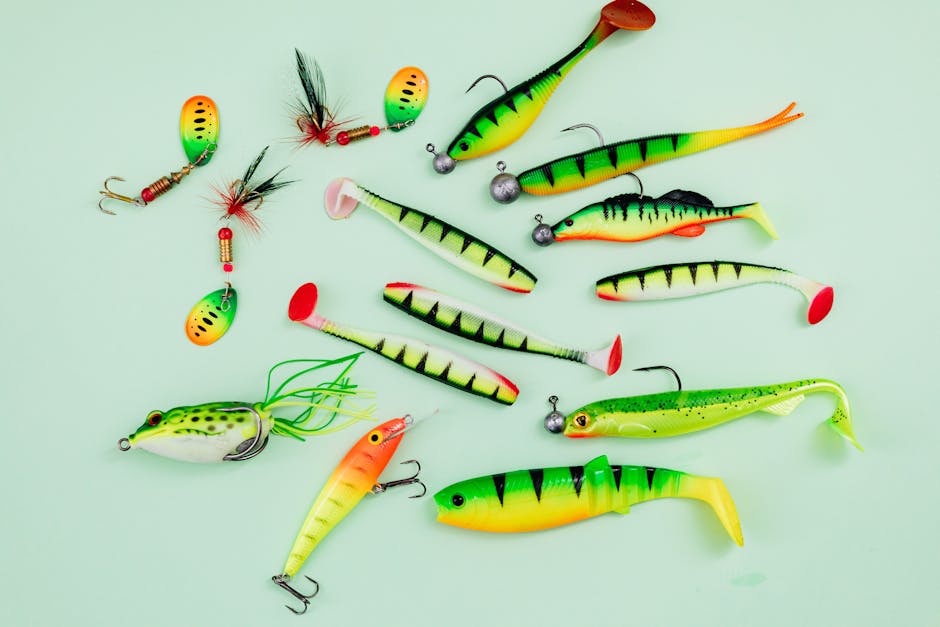
The construction of spinnerbaits remains elegantly simple yet highly effective. Built around a wire frame featuring a weighted head, silicone skirt, hook, and spinning blades positioned above the body, these lures create a combination of flash and vibration that proves irresistible to bass. The spinning blades emit visual signals while generating underwater vibrations, while the trailing skirt mimics the natural movement of baitfish—a combination that has remained largely unchanged since the lure's inception.
According to fishing experts, spinnerbaits have maintained their essential status throughout 2024 and 2025, particularly in stained to muddy waters where visibility becomes a critical factor. "Spinnerbaits excel in conditions where other lures falter, slipping through obstacles with ease and performing well across varied depths," noted a fishing authority, highlighting the versatility that has made these lures indispensable.
"Spinnerbaits excel in conditions where other lures falter, slipping through obstacles with ease and performing well across varied depths,"
The mechanical advantages of spinnerbaits become apparent when examining how they attract bass. Their snag-resistant design allows anglers to navigate seamlessly through grass, wood, and rocks—terrain that would quickly claim more delicate lures. The vibrations generated by the spinning blades can be detected by bass through their lateral line system, an evolutionary adaptation that allows fish to sense movement and pressure changes in the water around them.
Equally important is the flash produced by the spinning blades, which captures fish attention even in low-visibility conditions. "When bass are in shallow water and feeding, the combination of these elements often supersedes the effectiveness of more subtle lures that could require a more careful approach," explained one fishing authority.

"When bass are in shallow water and feeding, the combination of these elements often supersedes the effectiveness of more subtle lures that could require a more careful approach,"
The renewed interest in spinnerbaits also reflects a philosophical shift among many anglers who believe in the resurgence of classic fishing techniques. "When the bite seems tough, I've found that spinnerbaits often come through. They are versatile and reliable," observed a veteran angler, summarizing the practical wisdom that drives many tackle box decisions.
Success with spinnerbaits depends heavily on matching the lure and technique to specific water conditions. In stained to muddy water, where bass rely more heavily on vibration than sight, experts recommend employing slower retrieves and choosing high-contrast or darker skirt colors to create distinct silhouettes. Colorado blades or similar blade combinations provide optimal performance in these conditions, with larger blade sizes recommended for increased visibility.
For night fishing or extremely turbid conditions, a single-Colorado configuration is often preferred due to its pronounced thump—a low-frequency vibration that bass can detect from considerable distances. This approach capitalizes on the bass's heightened reliance on their lateral line system when visual cues are minimal.
Clear water conditions require a different strategy entirely. When bass can scrutinize lures more carefully, anglers must shift to faster retrieves with more subtle presentations. Natural or translucent colors become more effective, while double willow blade configurations provide an optimal balance between flash and vibration. Smaller, more compact spinnerbaits help prevent fish from examining the bait too closely, maintaining the illusion of natural prey.
Impact and Legacy
Impact and Legacy
Impact and Legacy
Seasonal patterns also influence spinnerbait effectiveness, with each phase of the bass fishing calendar presenting unique opportunities. During the prespawn period, when bass migrate toward warmer shallow waters, spinnerbaits become particularly effective tools for covering water and locating active fish.
"A 1/2 to 3/4 oz bait works best for slow rolling, particularly with single-Colorado blades in colder, murky waters," highlighted one expert regarding prespawn tactics. This approach allows anglers to maintain contact with the bottom while generating enough vibration to attract sluggish fish in [cooler](/gear/cooler) water temperatures.
"A 1/2 to 3/4 oz bait works best for slow rolling, particularly with single-Colorado blades in colder, murky waters,"
The spinnerbait's ability to cover water efficiently while navigating through various forms of underwater cover has solidified its position as a valuable asset in the modern bass fishing arsenal. As anglers continue to face increasingly pressured fisheries and changing environmental conditions, the reliability and versatility of spinnerbaits offer a connection to fundamental fishing principles that transcend technological trends.
This return to proven techniques suggests that while innovation continues to drive the fishing industry forward, the most successful anglers understand that sometimes the best solutions are those that have already stood the test of time.